
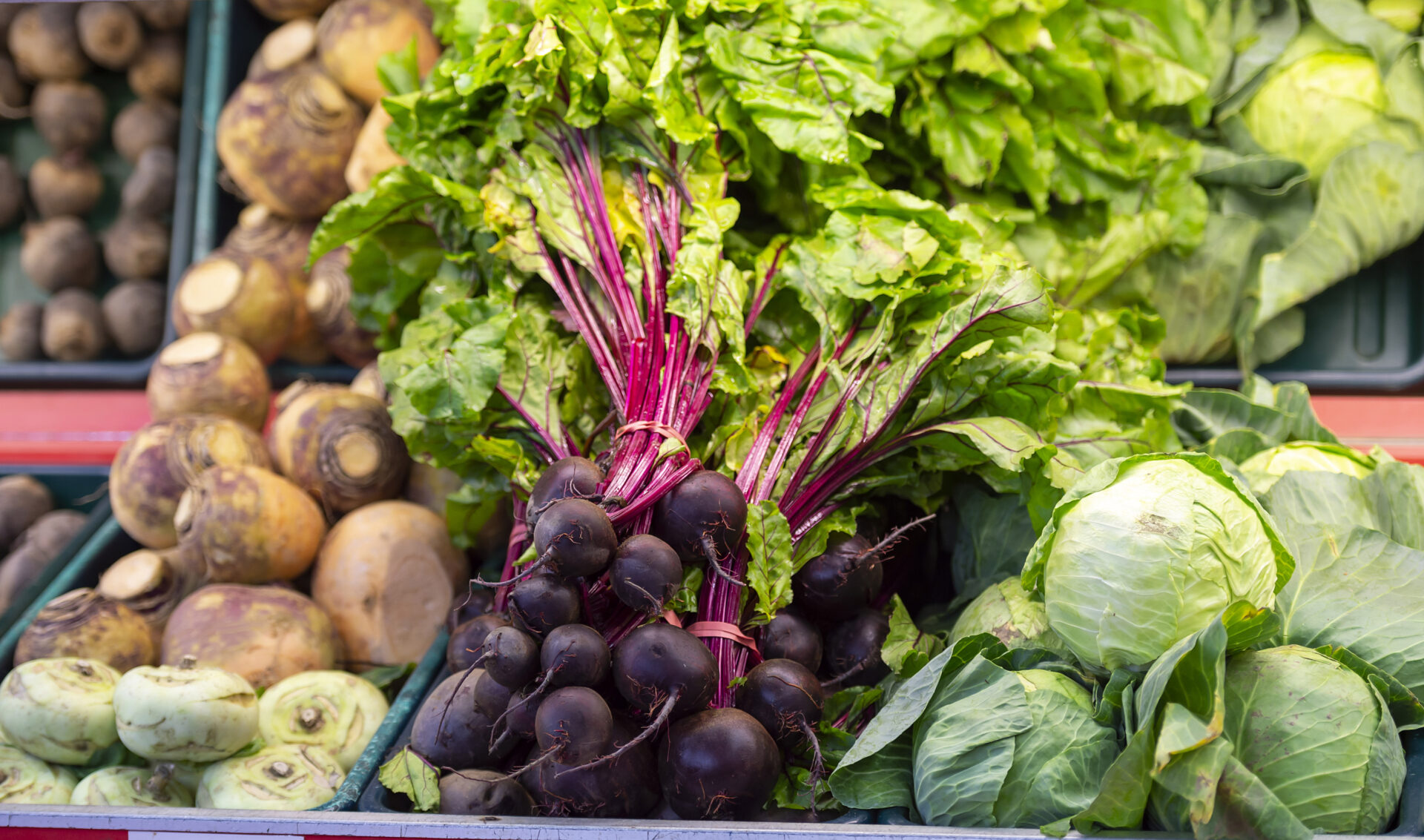
Making Organic Food Affordable for Everyone
Our Bridging the Gap project helps families on low incomes to enjoy healthy and sustainable food by making organic fruit & veg affordable. In Tower Hamlets, we partner with a local food co-op in Tower Hamlets to give families a 45% discount on organic produce. Families also receive Rose Vouchers, which together make organic food possible for many households for the very first time.
HOW THE PROJECT WORKS
Each week, families collect Rose Vouchers from our community partner, the Teviot Centre. They spend them on fresh organic fruit and veg at their local co-op. Because of the discount and vouchers, parents can swap around £8 of non-organic produce for organic alternatives without increasing their food bill.
CHANGING SHOPPING AND EATING HABITS
Cost and trust are the biggest factors participants mention when choosing where to shop. By making organic food affordable at trusted local co-ops, people feel more confident that they are buying good-quality produce. Parents taking part in the scheme also tell us the project encourages their children to try new fruit and veg, building healthy habits that last a lifetime.
SUPPORTING LOCAL FARMERS & FOOD SYSTEMS
Bridging the Gap doesn’t just support Tower Hamlets residents. It also strengthens sustainable supply chains, with 84% of sales revenue going directly to UK farmers like Folx Farm in East Sussex. Local co-ops are building strong relationships with their communities. In fact, more residents are now choosing them over supermarkets, which helps reduce food waste and unnecessary spending.
WHY IT MATTERS
When families have affordable prices, quality produce, and trusted suppliers, they choose healthier food. By combining discounts with Rose Vouchers, Bridging the Gap makes sure that even the most food-insecure households can take part.
We are working with Leaders in Community and Sustain to help create a future where nutritious, sustainable food is within everyone’s reach.
“The kids love trying the new fruit and veg we bring home. Before, we couldn’t afford organic, but now it’s part of our weekly shop.” A Bridging the Gap participant